Most diet debates focus on carbs or fat — but protein intake is one of the biggest levers for body composition, hunger and health. So how do high-protein and low-protein approaches compare, and which suits your goals? Here's an honest breakdown.
What Counts as High vs Low Protein?
- Lower protein: around the basic minimum, roughly 0.8g per kg bodyweight — enough to avoid deficiency, but not optimised for fitness goals
- Higher protein: 1.6–2.2g per kg, the range associated with better body composition, satiety and muscle retention
Benefits of a Higher-Protein Diet
- Better satiety — protein is the most filling macronutrient, helping with weight control
- Muscle preservation — crucial during weight loss and ageing
- Muscle building — essential when paired with training
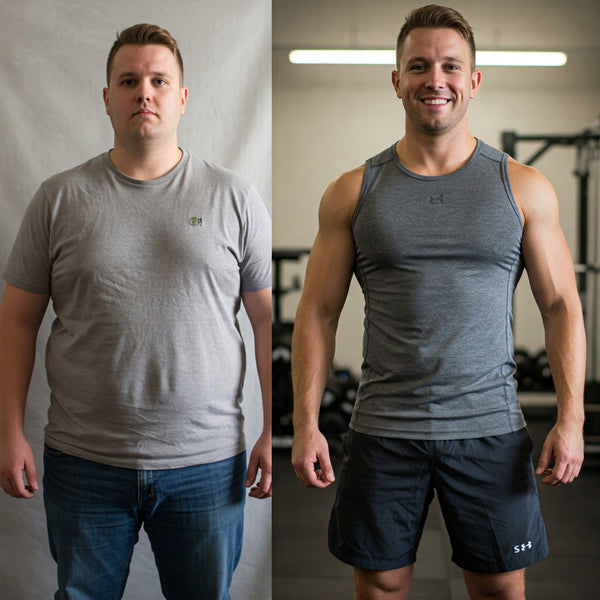
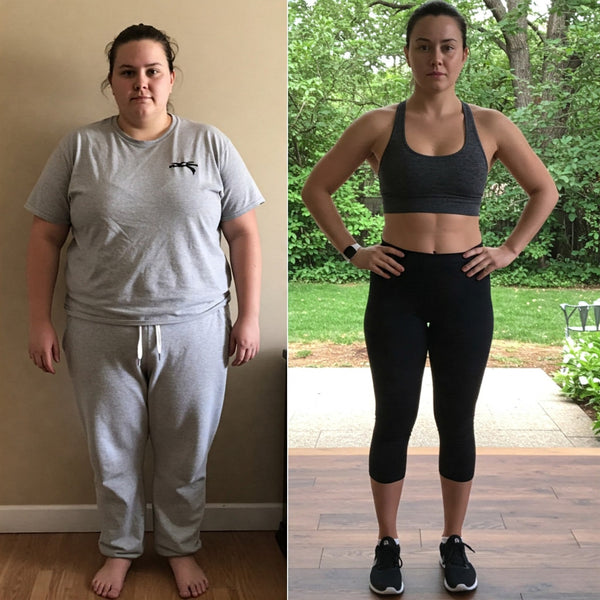
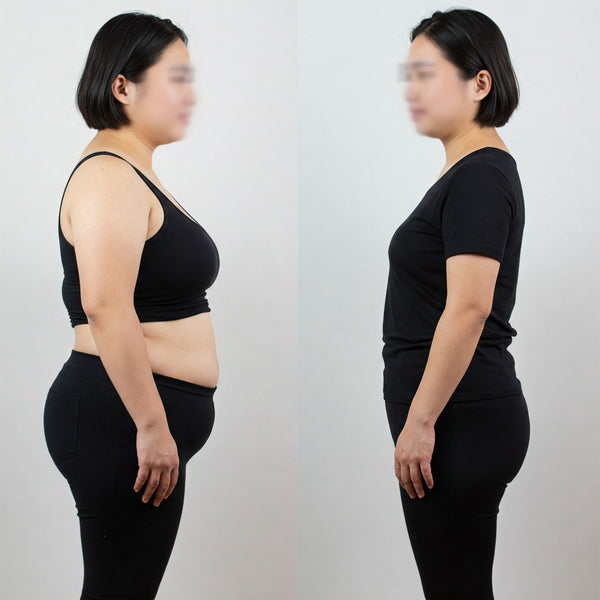
- Better body composition — more muscle, less fat
- Recovery support — from training, injury or illness
When a Lower-Protein Approach Might Apply
Lower protein isn't "wrong" for everyone — it depends on context:
- Specific medical conditions (e.g. certain kidney conditions) may require restricted protein, under medical guidance
- Sedentary individuals with no body-composition goals can function on less
For the vast majority of people — especially anyone training, losing weight, building muscle or simply wanting to feel fuller — higher protein is the more useful approach.
The Verdict
For most goals, a higher-protein diet wins on satiety, body composition and muscle health. The catch is that hitting higher protein consistently takes planning — which is exactly why pre-made, protein-dense meals exist. Every MealPrep.nz meal delivers 30g+ protein, making the higher-protein approach effortless.
Frequently Asked Questions
Is high protein better than low protein for weight loss?
For most people, yes — higher protein keeps you full and preserves muscle in a deficit.
Who needs a lower-protein diet?
Mainly people with specific medical conditions (like certain kidney issues) under a doctor's guidance.
How much protein is "high"?
Roughly 1.6–2.2g per kg of bodyweight daily, versus the basic minimum of around 0.8g/kg.
Can I eat high protein long-term?
Yes — for healthy people, a high-protein diet is safe and sustainable.
Make the Higher-Protein Choice Easy
Get the benefits of a high-protein diet without the planning. Build a plan of 30g+ meals today.
Questions? Email us or call 07 572 5700.
General information only, not personalised dietary advice.